Choose Your Language:
Posted by: The Sumaira Foundation in Professional, Voices of TSF
During my medical studies, in my fourth year at university, I remember preparing a final presentation during my neurology module. I chose to focus on demyelinating diseases.
As I went deeper into the topic, I had a thought that stayed with me: many of these patients are young, and the disease often progresses over time, leading to increasing disability. I remember thinking how difficult that must be, and wondering whether more could be done to change the course of these conditions.
At the time, it was just a reflection – but it stayed with me.
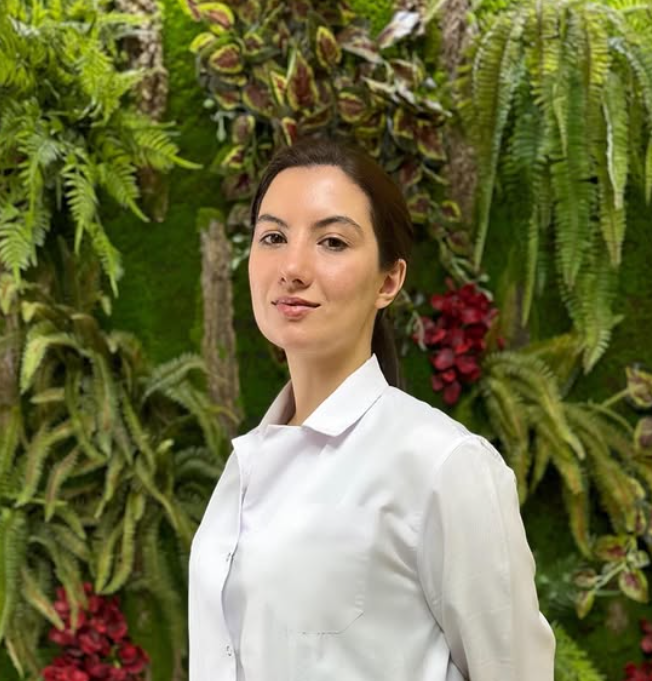
After graduating from medical university, I chose neurology as my specialty. During my residency, I had the opportunity to spend some time in Sardinia, Italy, where I was exposed to a larger number of patients with neuroimmunological disorders.
That experience had a strong impact on me. Seeing these patients more closely, and understanding the complexity of their conditions, gradually deepened my interest in this field. It was no longer only theoretical – it became something very real.
As I continued learning and gaining experience, I began to understand more clearly how large the gap is in countries like Georgia, particularly in the diagnosis and treatment of rare neuroimmunological diseases such as NMOSD and MOGAD.
While knowledge and therapeutic options are advancing globally, access to diagnostics, treatments, and structured care remains limited in many settings. This creates significant challenges for both patients and healthcare professionals.
When I returned to Georgia, I felt a strong desire to contribute – even in small steps – to improving this situation. At times, this path felt complex, and I was occasionally advised not to pursue this subspecialty. However, I was also fortunate to meet colleagues who shared the same motivation and believed in the importance of developing this field further.
Becoming part of The Sumaira Foundation is a great honor for me. It represents not only an opportunity, but also a responsibility.
Through this role, I hope to contribute to raising awareness, improving education, and supporting patients and their families. Even small changes- better understanding, earlier diagnosis, clearer communication – can make a meaningful difference.
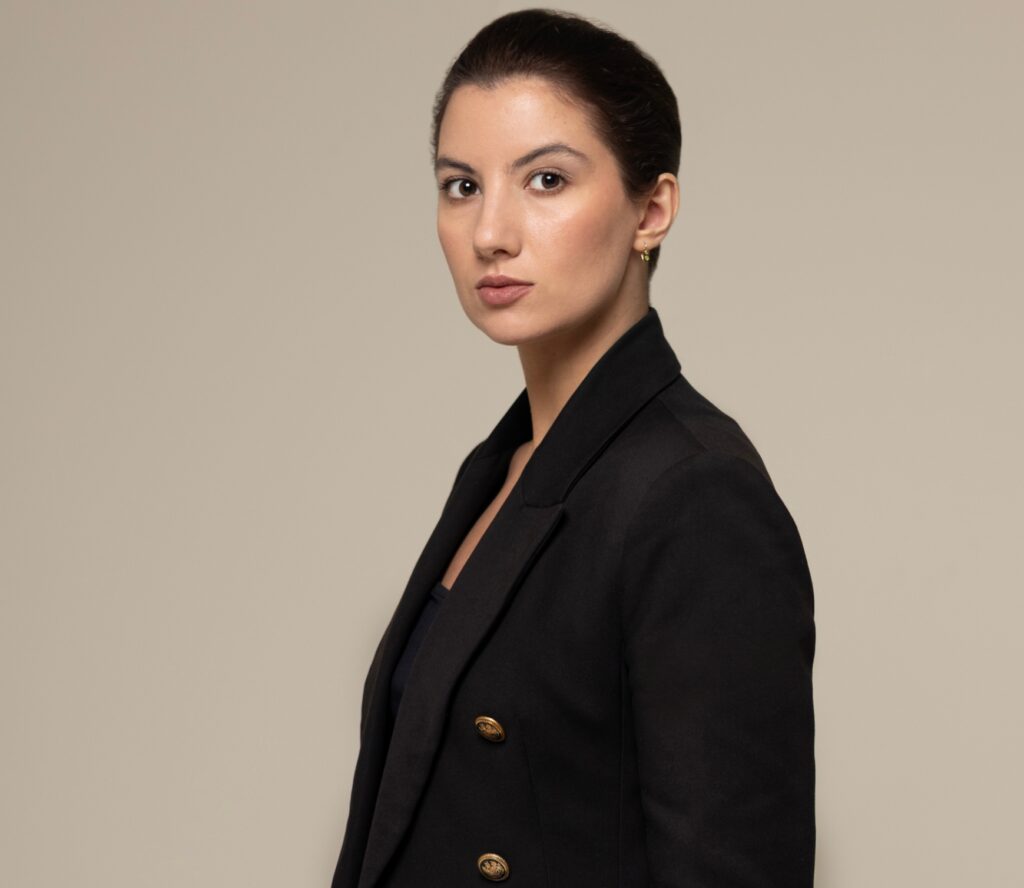
I feel that this journey is only at its beginning. There is still much to learn, and much to build.
My goal is simple: to contribute, step by step, to improving care for patients with rare neuroimmunological diseases in Georgia, and – if possible – beyond. To be part of a collective effort that brings knowledge, support, and hope closer to those who need it.
If I can contribute even in a small but meaningful way to this path, it will be worth it.