
Choose Your Language:
Posted by: The Sumaira Foundation in NMOSD, Patient, Voices of TSF
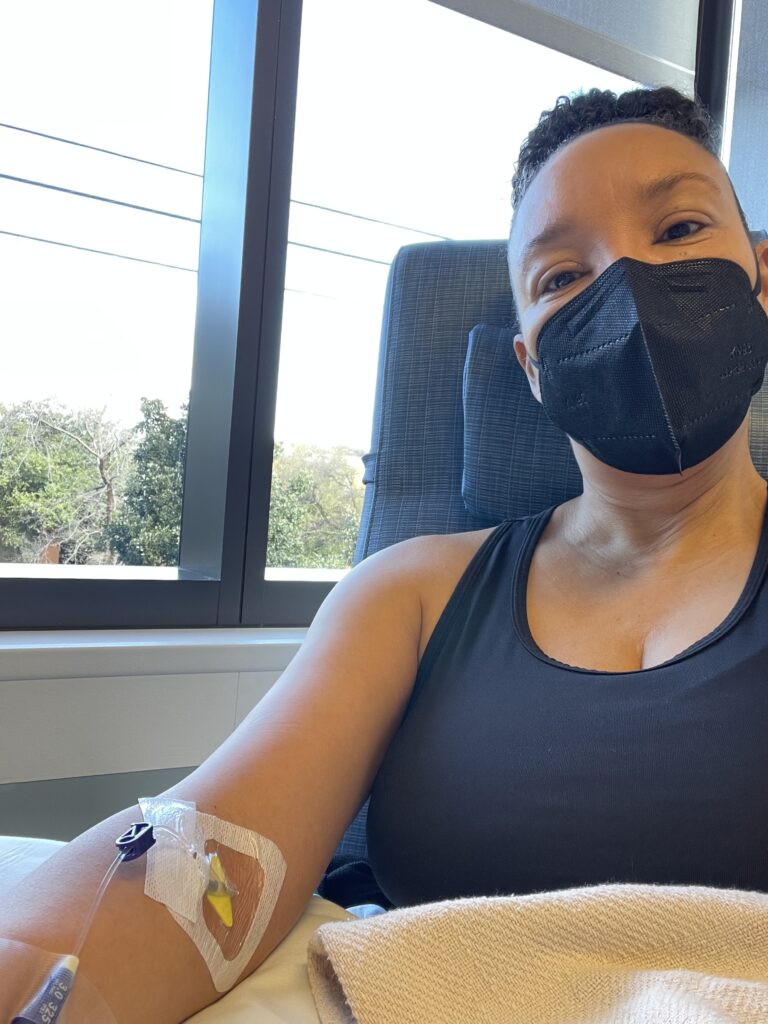
Sheila is a rarity now. She owes it all to me.
Rarer than the colorless ring on her left finger.
Rarer than the Krug Champagne she sips in celebration of life’s simple pleasures.
Rarer than her son’s shutout baseball games.
As rare as a two-headed snake–one head unaware of the other.
Before me, she was just another middle-aged, workaholic woman sacrificing herself–over giving to prove her worthiness to a world that stayed wide while she shrank to fit in it.
What a waste.
I don’t shrink. I expand.
A glitch in her immune system was my genesis.
I developed a hunger for aquaporin-4, abundant in the central nervous system.
It became my hunting ground.
She arose out of bed well before sunrise without turning on the light. A shiver ran across her bare shoulders as she separated from the coziness of her flannel sheets and followed the familiar path of her morning routine. At the bathroom threshold – wood to tile – I made my subtle debut.
Overnight, the travertine had absorbed the cold.
The toes of her right foot curled on contact. The bottom of her left bloomed with unexpected warmth – muscle memory of a summer.
She shook her head to loosen the dreams from her subconscious and ground herself, but I remained rooted in her sole.
She had the audacity to shake me off.
For the rest of the day, she avoided walking barefoot.
Sheila was foolish.
I was formidable.
Later that morning, she leaned against the familiar post at gate C8, waiting to board a five-hour flight. I tapped her shoulder with an inner thermal surge that pulsated up and down her left side.
She froze, moving only her eyes. She glanced up for a heating vent, then scanned the gate – as if the danger were outside her rather than within.
She touched her left arm, then her right.
Both were cool, goosebumps migrating across her skin.
The heat persisted. Boarding was called. She hesitated, searching her memory for the symptoms of a heart attack. Bodies bumped past her, moving like cattle towards the agent.
Her phone shook as she googled signs of heart attack in women.
Chest pain. Spreading pain. Cold sweat. Dizziness. Shortness of breath.
Nothing about warmth internally on the left side.
She joined the herd and boarded the plane.
Ignoring me, once again.
She traveled freely.
I remained bound to her body.
I learned my reach extended further within her.
When the warmth on her left turned into numbness, it caught her attention – but it was her husband who got her to the Emergency Room.
I thought I had inhabited a wise woman. When it came to her health, she proved otherwise. She tried to brush me off as random, temporary. He wasn’t convinced.
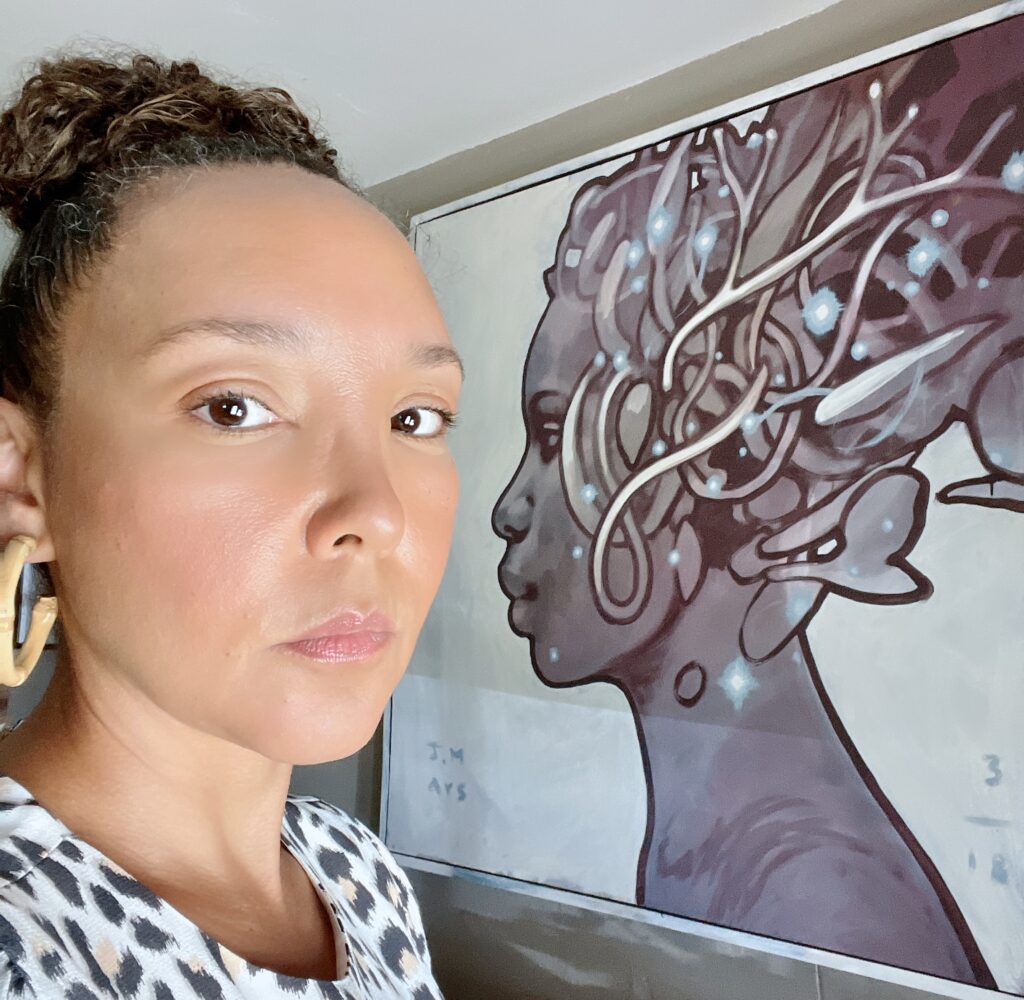
She didn’t deserve someone like him.
Sheila was a liar.
She told her sons she was fine – scared she would die in her forties like her father.
Sheila was an imposter.
Her professional success – an aberration.
Sheila was a coward.
Mortality followed her like a shadow. The womb that once cradled her, gone.
Two heartbeatless wonders from her own womb sucked away.
This was her first time in the ER as a patient.
They passed through automatic doors, bright lights, and bleach. She sat on a gurney-like bed in a semi-private area separated by a bland blue curtain. Her husband waited beside her. Vitals were normal. Blood was drawn.
This protocol bored me but the undercurrent of panic, the anxiety that permeated the air, and the controlled chaos of this place was utterly intoxicating.
The doctor found no clear cause for concern. She was told to follow up with her General Practitioner.
Their failure to find anything should have resulted in her relief. It didn’t.
She was accustomed to being chronically dismissed. A Black woman forgotten.
Her despondence opened the door.
I inflamed her spinal cord.
I ate at her myelin.
Doctors ordered tests. Then more tests.
Nothing stopped me.
I tightened her midsection into a burning grip, an ominous hug that spread fire from the waist down.
I didn’t take pleasure in her pain. But once her body released me, I pillaged it like a pirate.
Midnight passed without celebration.
She writhed in bed as 2020 arrived as an affliction. She blamed herself.
I remained invisible – a hungry ghost, her body my host.
Greedy one gloomy January afternoon, I munched mercilessly at her myelin, igniting a fire I could not fully control.
Anger – once her fuel – gave way to humiliation.
Her steps were not those of a manic mother of two elementary school boys but a feeble, failed wreck of a woman shuffling through her hallway hoping not to soil herself.
I wearied witnessing her decline.
This was not her fault. Destined, I had been dormant, waiting.
She reached for the wall and saw the family photographs – faces frozen in time, nearly a century of lives.
Smiles. Empty eyes.
She folded inward, wondering if she would remain among the living or be hung in remembrance.
The walls became a tunnel to her tomb.
She was certain she was dying.
Say something, she begged herself.
Nothing came but whispered gibberish.
I love you so much. You ARE my life.
Even as she believed her own life was dissipating away.
Time slowed.
Her sound mind was not syncing with her succumbing body.
She stumbled to her knees.
Her boys reached for her – eyes wide with fear, innocence fleeting away.
Their sticky cheeks, still plump with their childhood, touched hers.
Tears, salt, and sweetness, traced her lips. Curls tickled her skin. The fragrance of coconut shampoo.
They held one another, trying to be brave.
What she could not say, they felt.
She believed it was time to leave them.
To die.
Everything she had done would have to be enough. I thought I would force her to see me.
Instead, I began to see her.
Her life did not flash before her eyes.
She had two thoughts:
She did not want her sons to see her die.
She did not want her husband to blame himself. He whisked her up in his arms, sent the boys to the neighbors, and drove to the hospital as if possessed.
Something inside her broke, and it wasn’t me.
I triggered her Vagus nerve.
Her heart slowed.
Her blood pressure dropped.
Vision narrowed. Speech slurred.
She thought she was having a heart attack.
Panic followed.
I didn’t kill her.
But I could.
Her release from the Emergency Room left me with a slight residue of remorse; however, my work was not done. My maleficence magnified with a misdiagnosis of multiple sclerosis.
I am a “mimicker” of MS – an imposter.
Gabapentin failed.
Steroids failed.
Of course, those treatments didn’t work; nor did they deter her agony.
Months passed.
Nothing stopped me.
Then the world closed.
March 2020.
The pandemic and shelter in place.
Her husband prepped for grocery shopping as if it were a hazmat situation.
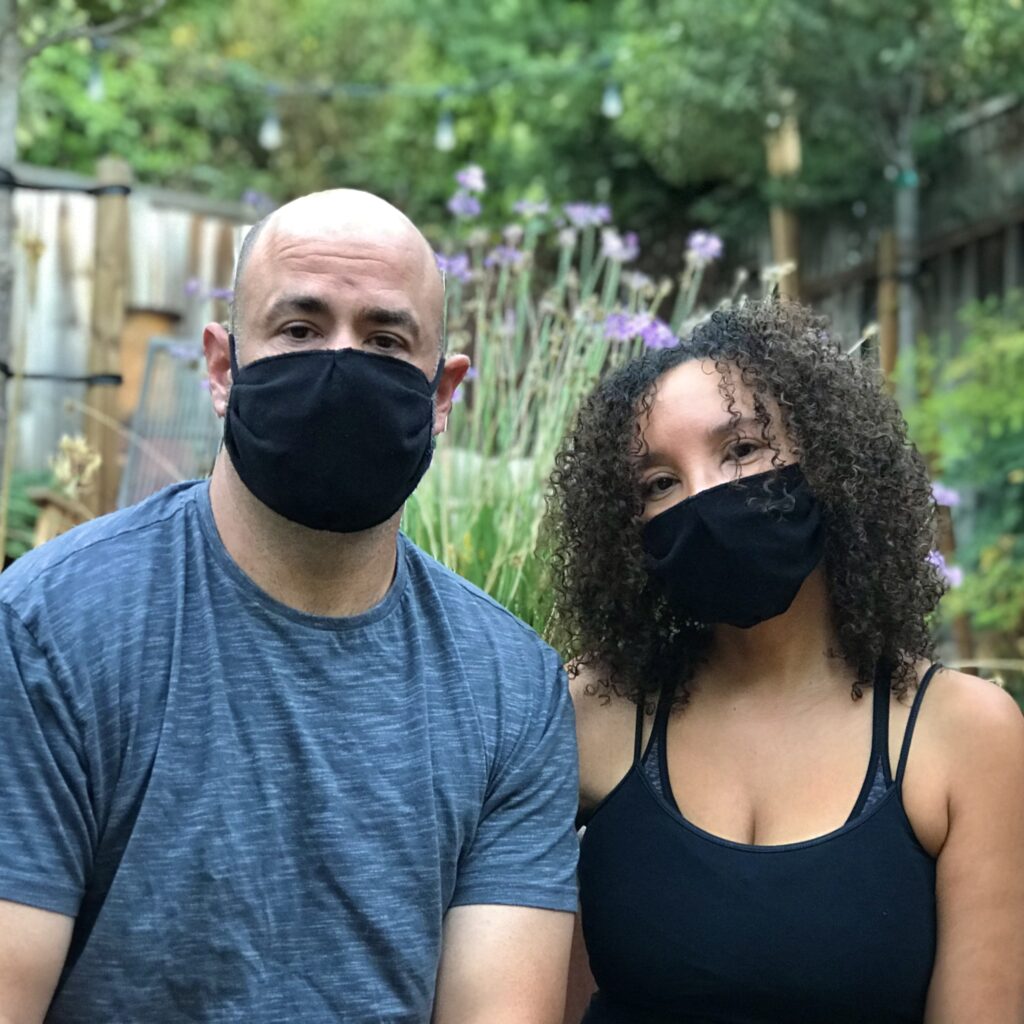
Her knuckles dried and cracked from obsessive over cleaning and the application of antibacterial sanitizer.
Netflix and the news became their critical connection to the outside world.
Death counts climbed.
The awe of this annihilation rendered me minuscule in my modest mission.
For Sheila, it was a blasphemous blessing. It was easier to feign being fine with her family in the confines of her home.
Home held her.
She honored her body with homeopathic tinctures conjured and customized to address her unresolved childhood trauma. She changed her diet. Stopped drinking. While sleep was evasive, she napped regularly to restore her energy reserves.
She prayed – often for those dying alone, especially the elderly, bodies piled high and unholy.
Despite me inflicting constant pain, she persevered, pulling me towards penitence.
Something shifted in Sheila.
Who was this woman, was she digging up the grave of the girl she once was? Was I there, too?
After the rains of spring, my reign over her was entering its seventh month, a month that would change everything.
Rare is often revealed within research.
May 2020 arrived as a bridge for her between helplessness and hope.
A video visit with the Stanford Neuroscience Health Center – a place where physicians and researchers work together to translate science into care. I read that description as a dire foretelling of my future.
She couldn’t see anyone in person – what the hell was that about?
But they could order the right tests.
The ones that might expose me.
They did.
On June 16, 2020, at 3:13pm, she was diagnosed with NMOSD – Neuromyelitis Optica Spectrum Disorder. Rare. Autoimmune. Potentially life-threatening. No cure.
Me.
She didn’t want this diagnosis, but she refused to let it define her.
So, pills.
Twelve a day. Fuck me!
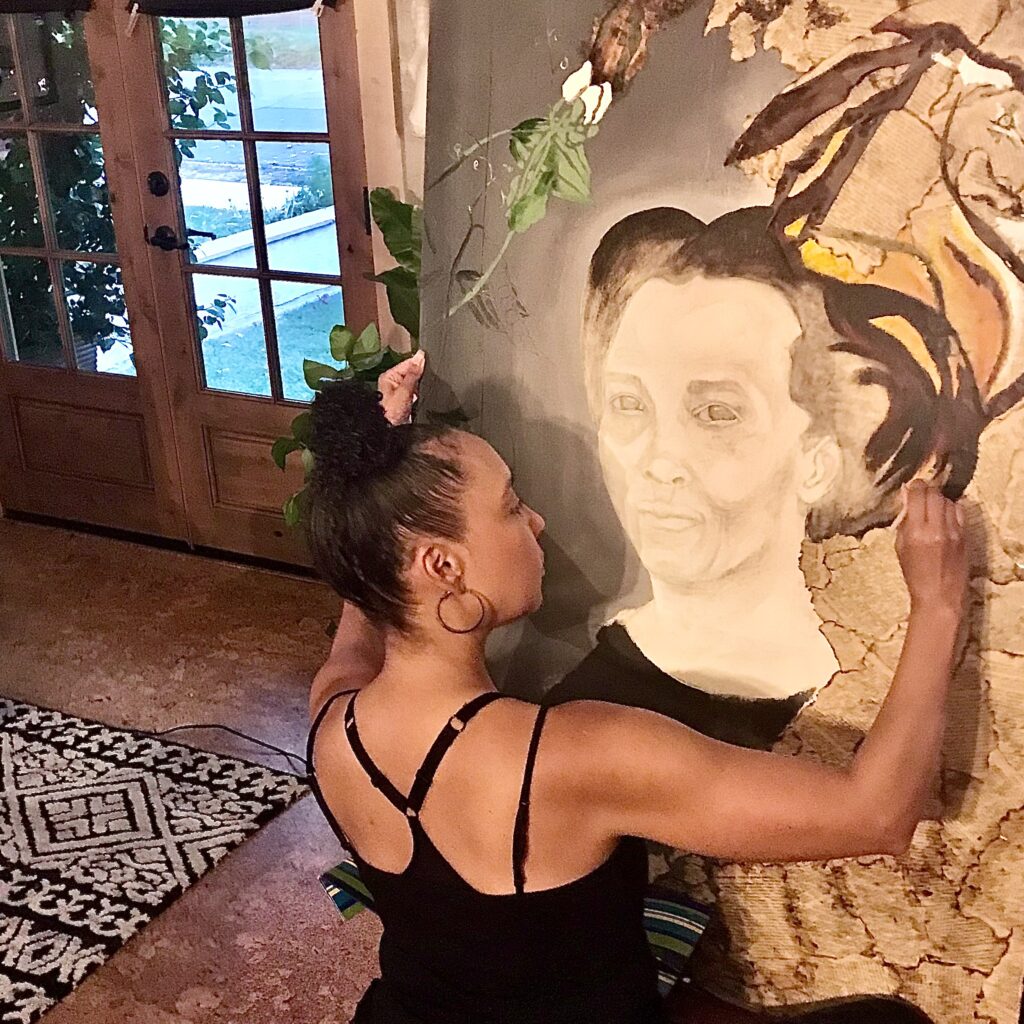
Gabapentin and Trileptal. Clever combination.
She went down the rabbit hole and Google searched her condition. It was more real for me than ever before. Her death was my death. We were one. I didn’t want to die anymore than she did. I wanted to live even if it was a twisted entanglement.
She refused to become a distortion of herself.
I refused to be destroyed.
I urged her not to succumb to me.
And she listened.
Can I both hurt and heal her?
The pills worked – slowly.
Fire softened to tingling.
My never-ending nerve terrorization was muted.
She didn’t want to be on 12 pills a day forever.
Asked for a way out.
The doctor warned her: the damage might be permanent. But he would consider a subsiding of the capsules after 3 months.
To my dismay, he did.
There is no cure for me. But there is a way to prevent me from progressing.
Rituximab.
Twice a year.
This has curbed my collusion.
No more pills and no more pain. But I am still here.
Sheila is a rarity – a two-headed snake.
I occupy the left.
For months, my antibodies moved unchecked, binding and attacking with a toxicity that extended to her thoughts.
She inhabits the right.
Once, she was a heretic in her own head – heaping handfuls of horrible thoughts onto herself.
But she dared to defy that destiny.
She was once drowning in her body’s self-destruction.
Now she moves with defiance – meeting grief with grit, guiding her mind with hard-won gratitude and grace.
No.
This is not over.
I am because she is.
We are one.
Together, we shed the skin of self-pity and self-destruction.
We recoil from the restraints of rarity and slither towards a world where we are seen.
More than five years later, we are still defying. Seventy-two miles of the Camino de Santiago in six days – walking away from what no longer serves.
We do not abandon the paradox.
We carry it.
Light and dark.
Rarity and abundance.
Two heads. One body.