
Choose Your Language:
Posted by: The Sumaira Foundation in MOGAD, Patient, Voices of TSF
At 26, my life felt like it was coming together. I was a young professional, full of energy, building my career and enjoying life in the city. I spent a lot of time with friends, exploring, and looking ahead with a real sense of excitement about where life was going.
I noticed pain when I moved my eyes, especially in my peripheral vision. It stayed for weeks, long enough that I made an appointment with an ophthalmologist. They dilated my eyes and ran a full exam. Everything looked normal.
About a week later, everything changed.
I woke up, felt sick, and threw up. Within hours, I realized I could not urinate. That was what pushed me to seek care. I spent the entire day at my family practice clinic while they tried to figure out what was wrong. They ran tests, but nothing explained what was happening. As the day went on, my condition was rapidly deteriorating. They placed a catheter and sent me to the ER. This was 2009. I was 26 and otherwise healthy. The ER did very little.
They sent me home, catheter in place, and told me to come back if things got worse. They did. In the middle of the night, I woke up with severe back pain. My mom took me back to the ER. This time, they did a spinal tap and an MRI. I was told I lit up like a Christmas tree. They started high dose steroids right away. The next day, a neurologist told me he was surprised I was still alive based on what he saw on the MRI.
During that initial hospital stay, I lost a significant amount of muscle mass. I experienced cognitive fatigue and struggled to walk. I had always been strong, from years of gymnastics, cheer, and dance. Losing that strength changed how I moved and how I saw myself. I went home on high-dose prednisone, which was slowly tapered while new treatments were introduced. Years went by, and nothing worked. Simple things had become difficult. I spent more time at my parents’ house and relied on significant accommodations as I returned to work. Crossing the street became stressful, maintaining eye contact in conversations was mentally taxing, the embarrassment of bladder control issues was awful, and the onslaught of specialty care visits and accompanying procedures was intense.
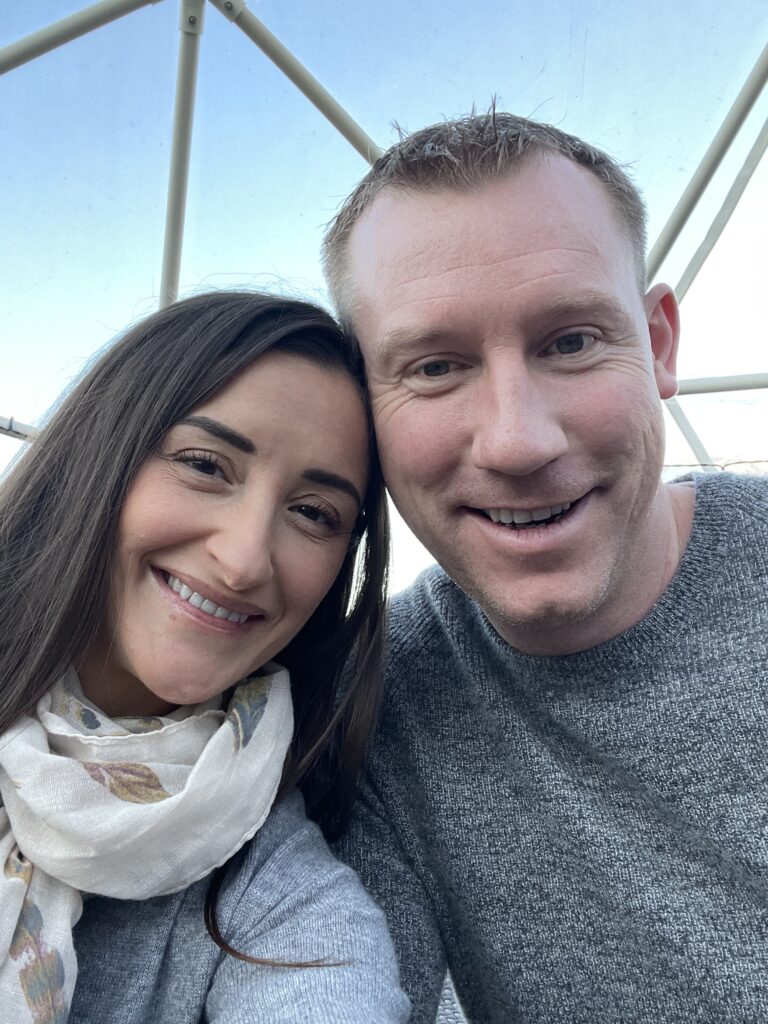
Then, I met my husband. My health was unstable and life felt uncertain. Somehow, in the middle of all of that, we found each other and chose to build a life together.
The clinical side did not get easier. For nearly 10 years, I was not well-controlled. The only thing that consistently worked was oral prednisone, which came at a cost. Long-term steroid use led to osteopenia and other complications. I relapsed again and again. Each relapse meant the ER, MRIs, IV steroids, and often a hospital stay. It was a cycle that lasted for years. Because of my husband’s work in the military and in medicine, I had access to care I would not have had otherwise. He advocated for me early. Military medicine treated me well; not only was I given IVIG at a time when it was not commonly used, but I had access to advanced imaging through the NIH, I was worked up at the Mayo Clinic, and I was treated by a top-tier sub-specialists.
This changed the trajectory of my disease.
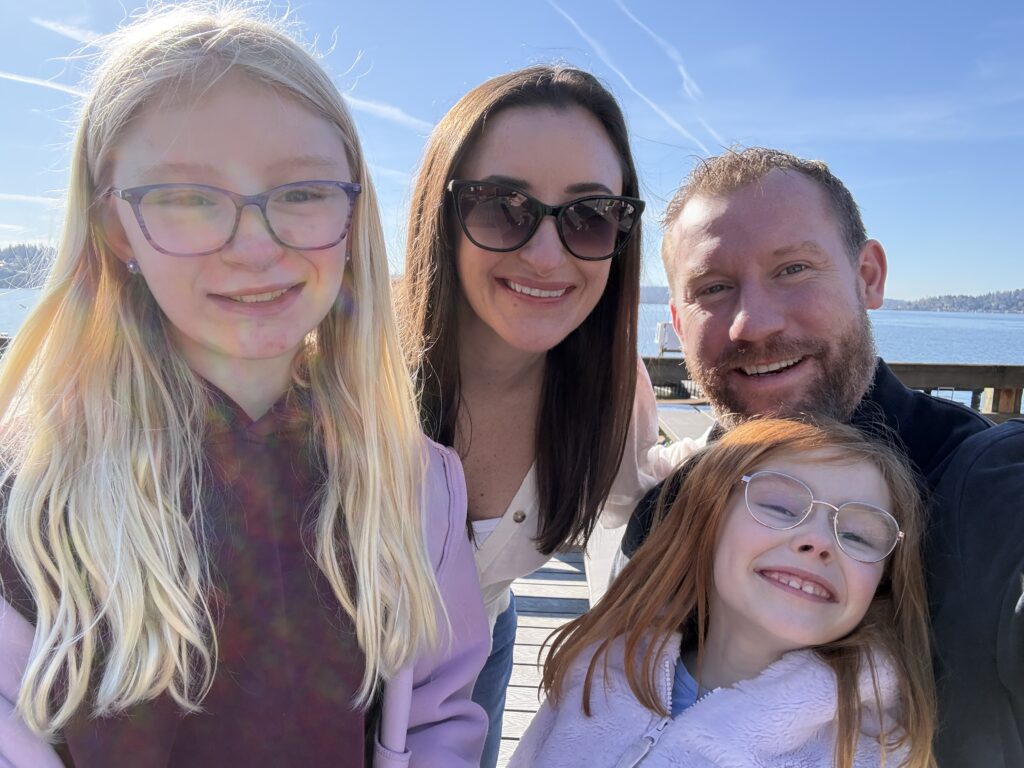
Stability came much later. IVIG, along with steroids, helped me stay out of the hospital and gave me some predictability. I stayed on that path so I could have children. Then I transitioned to Cellcept. I am now the most stable I have ever been, and my life is full in ways I could not have imagined. I have a loving husband, two healthy daughters, a career with purpose, a family I adore, and so much love.
This disease is not easy, but I have zero regret about the way my life has turned out.
If you are facing this kind of diagnosis, there is a path forward, even when it does not feel clear at first. You will learn more about yourself than you ever expected. You will become more resilient, more aware, and more grounded in what matters.
Hold on to that.