Choose Your Language:
Posted by: The Sumaira Foundation in News & Announcements
Written by Rashmi, TSF Ambassador of India
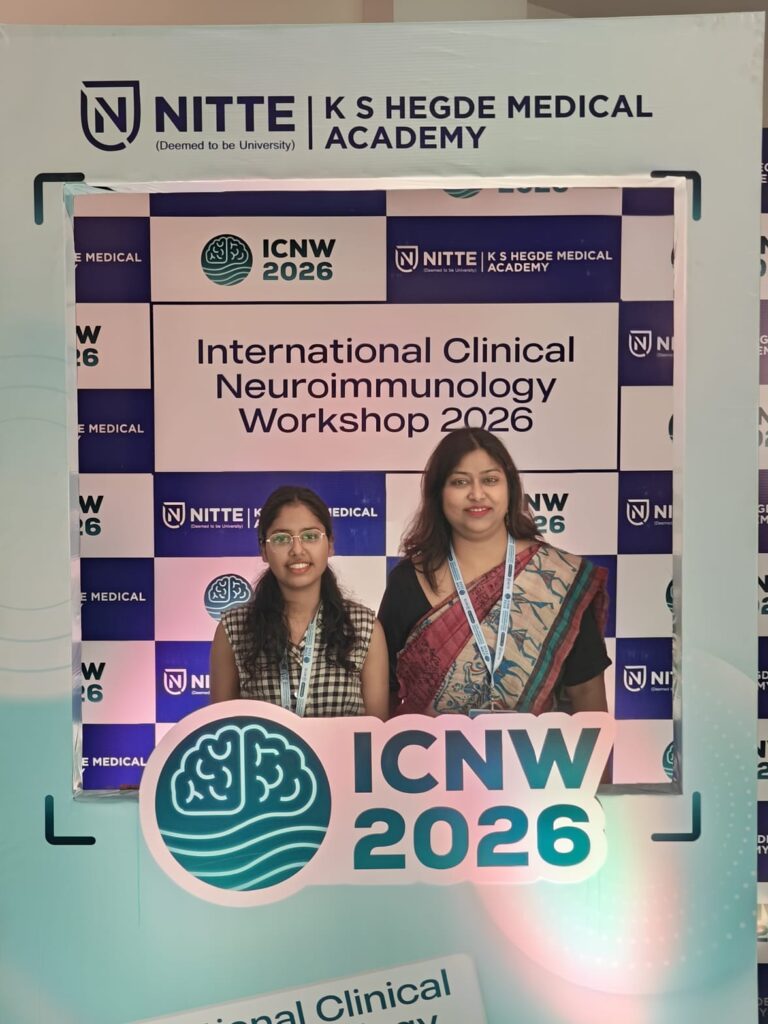
TSF India Ambassadors, Rashmi and Clarinda Cerejo, represented The Sumaira Foundation at the International Clinical Neuroimmunology Workshop (ICNW) 2026 in Mangalore, India, engaging with clinicians and researchers to raise awareness about NMOSD and MOGAD and highlight the importance of patient advocacy in clinical practice and patient interactions.
The International Clinical Neuroimmunology Workshop (ICNW) 2026 was held on 7–8 March 2026 in Mangalore, India. Organized by Dr. Lekha Pandit, Professor of Neurology and Director of the Centre for Advanced Neurological Research at the KS Hegde Medical Academy, the workshop brought together neurologists, clinicians, researchers, fellows, and medical practitioners working in the field of neuroimmunology and demyelinating diseases. The event featured a comprehensive and well-structured curriculum and successfully hosted over 100 attendees from across India and neighboring countries, including from Nepal, Sri Lanka, and Malaysia.
The primary purpose of the workshop was to create a collaborative learning environment where experts and medical professionals could discuss the latest developments and unique cases in clinical neuroimmunology, particularly focusing on demyelinating disorders such as Neuromyelitis Optica Spectrum Disorder (NMOSD), Multiple Sclerosis (MS), and Myelin Oligodendrocyte Glycoprotein Antibody Disease (MOGAD). Many of the attendees were Residents, Junior Fellows, and general neurologists, who had come to deepen their clinical understanding and learn from experienced specialists in the field.
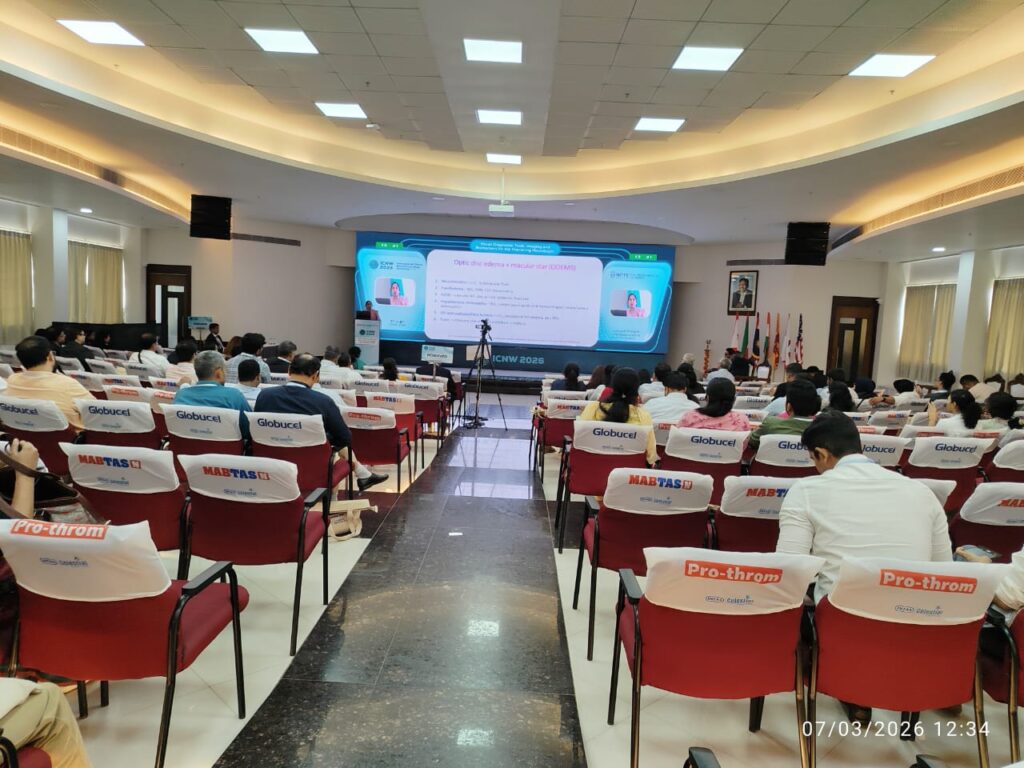
The sessions on Day 1 focused largely on the clinical diagnosis of demyelinating diseases, with special emphasis on the role of ophthalmologists and neurologists in identifying early signs of these conditions.
Experts explained how certain visual symptoms and neurological indicators can help differentiate between NMOSD, MS, and MOGAD. Since these disorders often present with overlapping symptoms, careful clinical evaluation and appropriate diagnostic testing are essential for accurate diagnosis.
One of the most valuable aspects of the first day was the discussion of real patient case studies. Doctors presented cases demonstrating how some patients experienced a long and complex journey before receiving the correct diagnosis. These discussions highlighted the diagnostic challenges associated with rare neurological diseases and emphasized the importance of clinical awareness, research, and interdisciplinary collaboration.
The sessions were highly interactive and included question-and-answer discussions, where attendees engaged with the speakers and discussed different diagnostic approaches. This interactive learning format was particularly valuable for residents and young neurologists who are developing their expertise in neuroimmunology.
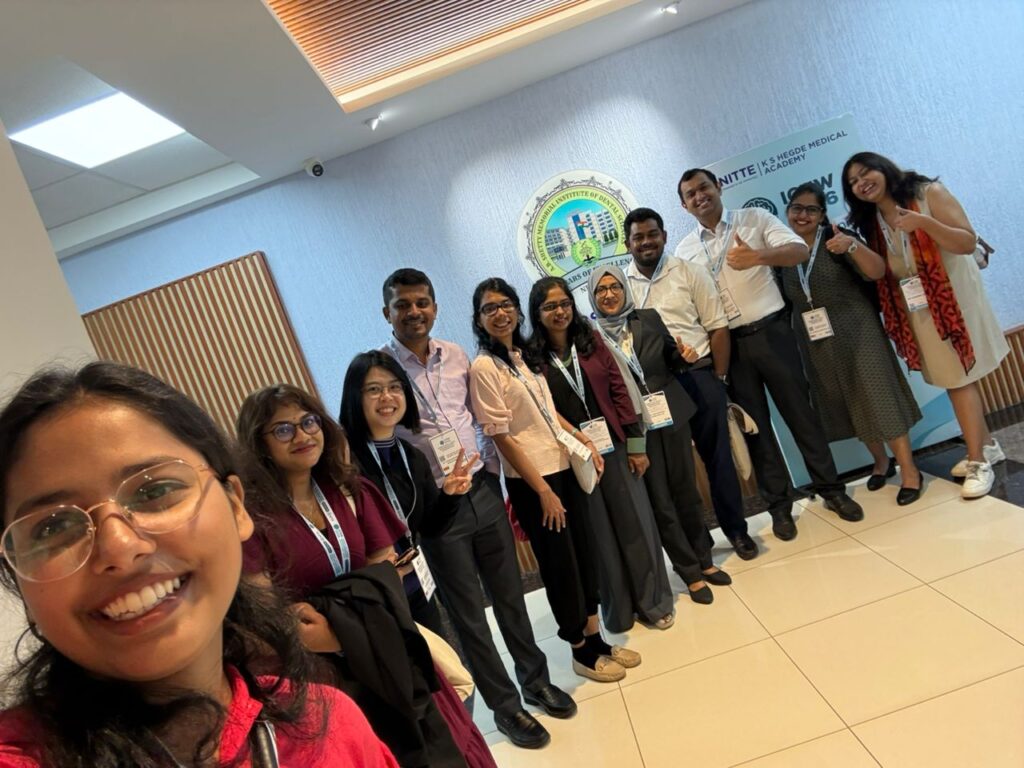
The focus of Day 2 shifted toward emerging technologies and research approaches in neuroimmunology.
One session explored the use of Augmented Reality (AR) and Virtual Reality (VR) in clinical training and diagnostic assessments. These technologies were discussed in relation to evaluating neurological signs such as Relative Afferent Pupillary Defect (RAPD), demonstrating how innovative tools can support medical education and improve clinical observation skills.
Another key discussion revolved around the role of data science and artificial intelligence in neurological research. Researchers presented how large datasets can be analyzed using machine learning methods such as Deep Learning, Support Vector Machines (SVM), and Random Forest models to better understand disease patterns and improve diagnostic accuracy. While these approaches have shown promising results, the speakers also highlighted an important limitation: many studies are currently working with relatively limited datasets. Expanding data availability and collaborative research efforts will be essential for improving the reliability and effectiveness of these technological tools in the future.
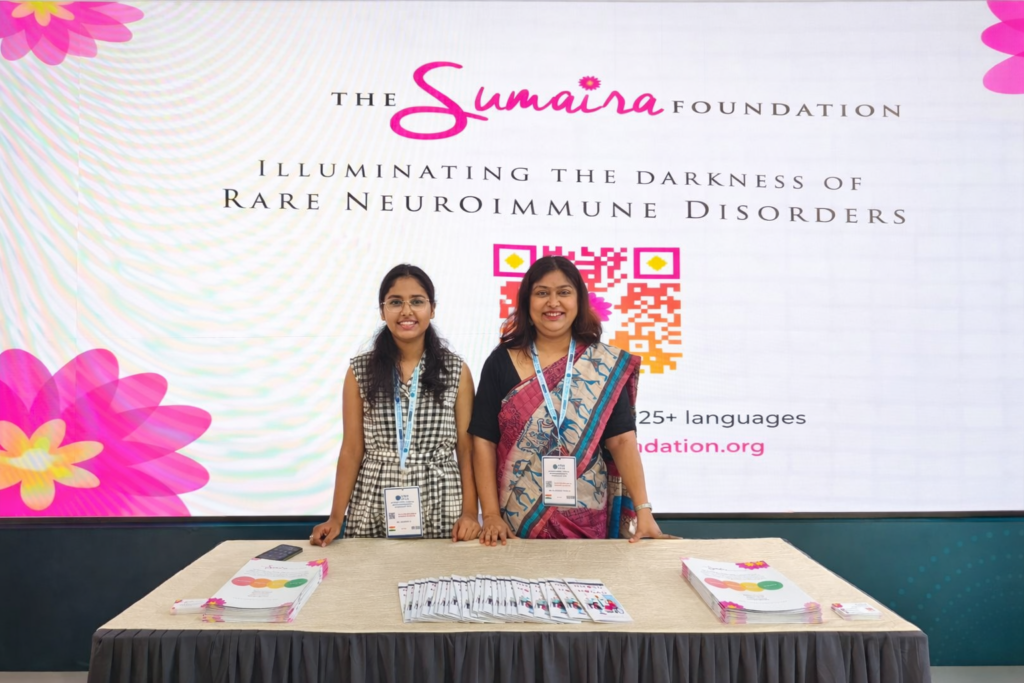
Clarinda and I attended the workshop as patients living with NMOSD and India Ambassadors of The Sumaira Foundation (TSF). Our participation focused on spreading awareness about NMOSD and MOGAD, while highlighting the importance of patient advocacy, education, and community support.
During the workshop, we interacted with many clinicians, neurologists, and researchers, introducing them to the work of The Sumaira Foundation in India and globally and its mission to support individuals living with rare neuroimmune diseases.
Wealso shared stories of our own medical journeys, and the loneliness and despair that can go along with a rare disease diagnosis. We spoke about how we found our patient community in The Sumaira Foundation and how this community provides emotional support, reliable information, and a sense of belonging for individuals living with rare diseases such as NMOSD and MOGAD.
We encouraged clinicians to inform their patients about support networks like The Sumaira Foundation, so that individuals newly diagnosed with these conditions can connect with others who understand their journey.
One important message we emphasized during these conversations was that patients living with rare diseases should never feel alone. Advocacy organizations and patient communities play a crucial role in ensuring that individuals and families have access to the resources and support they need.
In addition to the scientific sessions, the workshop also included a gala dinner, which provided a relaxed and welcoming environment for participants to connect beyond a formal setting.
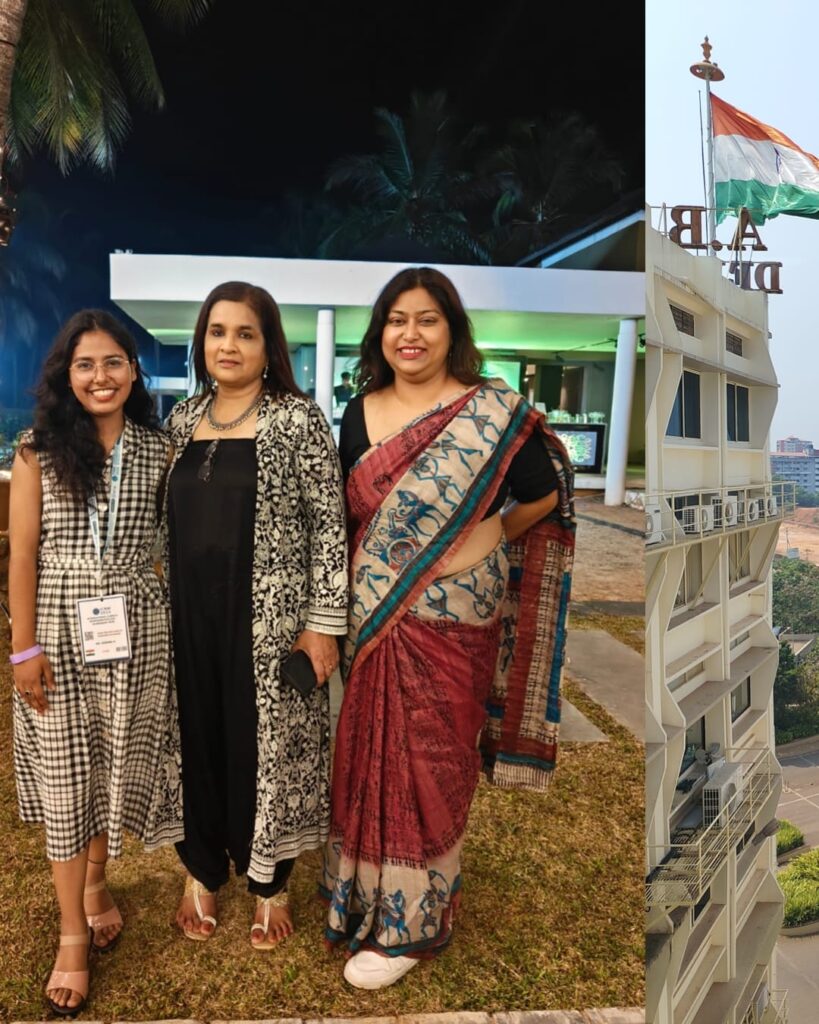
For me personally, attending ICNW 2026 was a very special milestone, as it was my first medical conference. Being surrounded by experts who dedicate their work to advancing neurological research and patient care was both inspiring and educational.
At the same time, representing The Sumaira Foundation in such a professional and scientific environment reinforced the importance of patient voices within medical spaces. When clinicians, researchers, and patient advocacy organizations collaborate, they create stronger support systems that benefit both medical progress and patient well-being.
Participating in this workshop was both an honor and a valuable learning experience. It strengthened our commitment to continuing advocacy efforts, raising awareness, and supporting individuals affected by NMOSD and related neuroimmune conditions worldwide.