Choose Your Language:
Posted by: The Sumaira Foundation in Autoimmune Encephalitis (AE), Patient, Voices of TSF
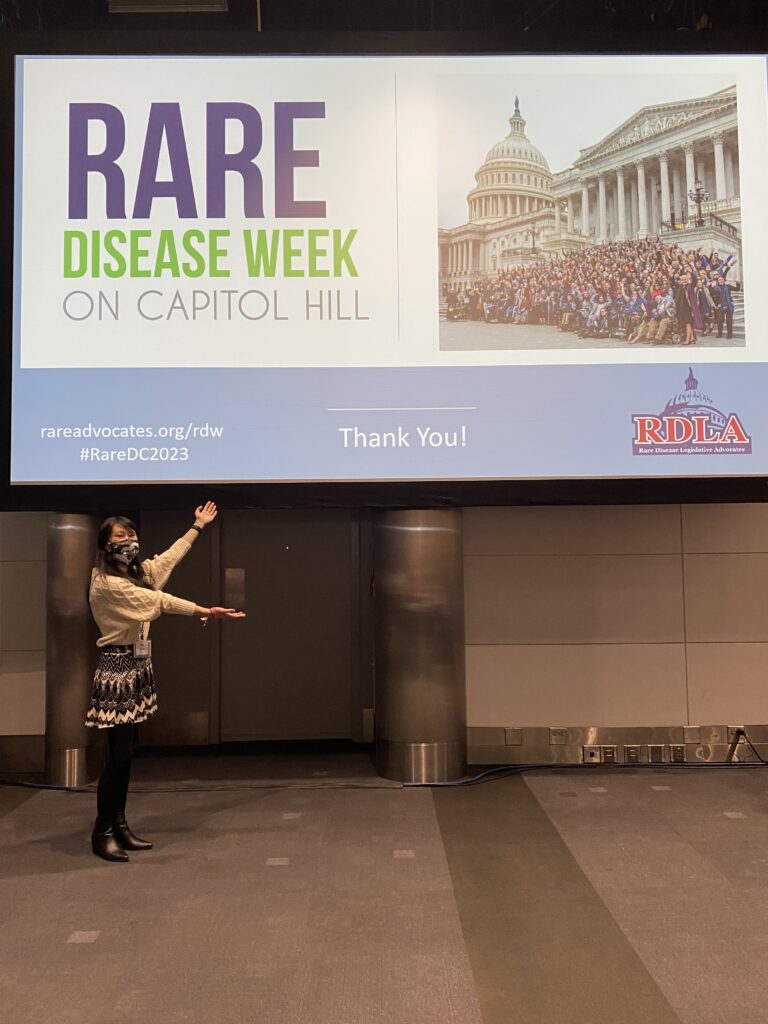
In 2023, I was preparing to go to Washington, DC for Rare Disease Week as a Young Adult Rare Representative (YARR) with the EveryLife Foundation for Rare Diseases.
I had recently emerged from the fog of neurological illness and wanted to channel the ordeal into something constructive. I also wanted to reclaim a sense of agency and rebuild self-trust in my mind and voice. But I didn’t realize how deep the rabbit hole would go. Somewhere between policy briefings and coffee lines, I would cross paths with Sumaira and her leadership team, bond with TSF Ambassadors amid the whirlwind of Hill meetings, and ultimately land in the world of neuroimmune research. That’s the streamlined advocacy narrative.
But clinically, it might read something like this:
I was studying medical laboratory science when I caught something that felt like the flu. Except it never completely resolved, and things spiralled beyond a self-limited illness. My life began to narrow, and with it, a future in medical research slipped off the agenda. My short-term memory faltered, words went missing, and basic conversations became difficult to follow. I often lost the thread of a sentence before it reached its end.
As my mind began to unravel, I sought medical attention through my university’s health centre. When standard blood tests came back normal, I was referred to a neurologist who ordered an EEG. He seemed reassured by the normal findings. I was not. One of his colleagues arranged for an MRI. Again, nothing of note. I was then referred to a psychologist.
What followed was years of presumed depression, malingering, maladaptive functioning… or perhaps lifestyle-mediated dysfunction. An internist recommended yoga as a therapeutic intervention. I sought additional perspectives through private-pay specialists, searching for answers that felt more consistent with cognitive impairment than mood or behavioural attribution. At one point, when my symptoms briefly improved before worsening again, a psychiatrist reframed the clinical picture as atypical bipolar disorder. Referrals looped, opinions shifted, and my requests for a lumbar puncture were dismissed until I was eventually hospitalized.
It was five years after symptom onset. By then, my catatonic state had drawn the attention of a pediatric psychiatrist who recognized a neurological signal that others had missed. As she pieced the data together, her suspicions sharpened and she ordered an FDG-PET scan of the brain. It revealed occipital hypometabolism and frontal hypermetabolism in a distribution typical of autoimmune encephalitis in the acute–subacute phase.
Within six months I had returned to my pre-illness baseline thanks to IVIG and rituximab. I was over the moon to have my brain back — but the recovery didn’t hold. I relapsed… then relapsed again. Multiple times I was advised that treatment escalation was unnecessary and not clinically supported. Twice I had swung from being fully myself to being cognitively undead, suspended in a purgatory unmapped in medical literature.
In true inflammatory fashion, biologically and otherwise, I escalated — pursuing additional specialist consults, pandemic-era cross-continental travel, and relentless self-advocacy at a time when my neurological reserves had all but collapsed. Over three protracted years, I completed the full immunotherapy tour: IVIG, steroids, rituximab, plasmapheresis, tocilizumab, and cyclophosphamide. By the end, I knew we had reached the primary endpoint.
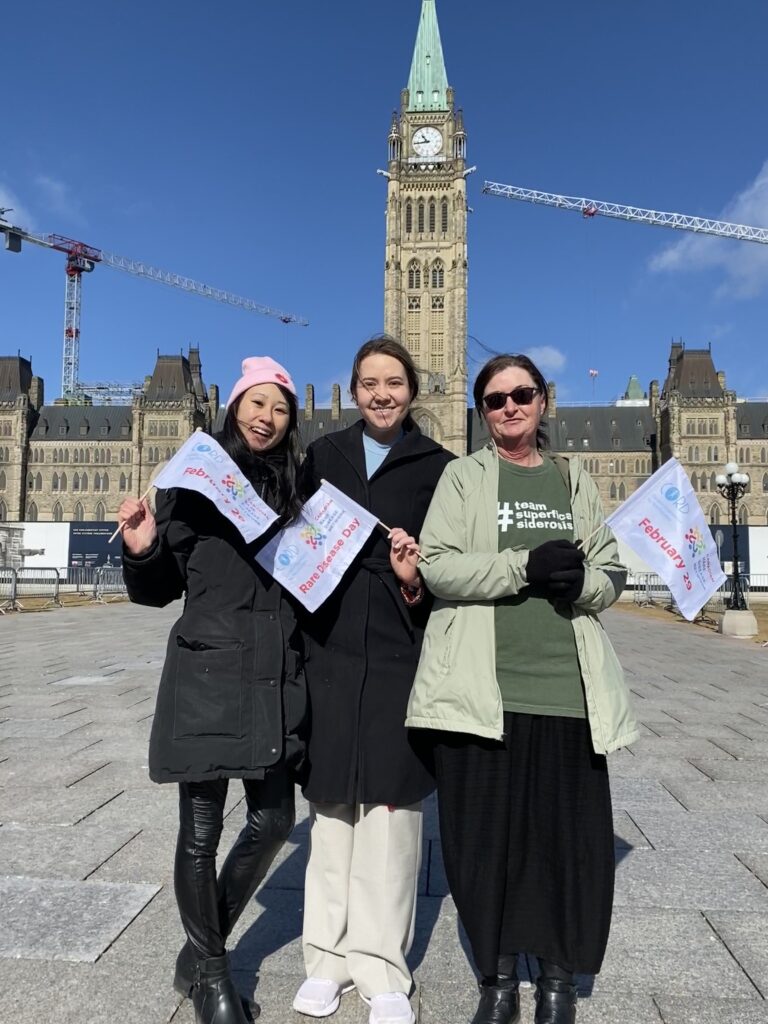
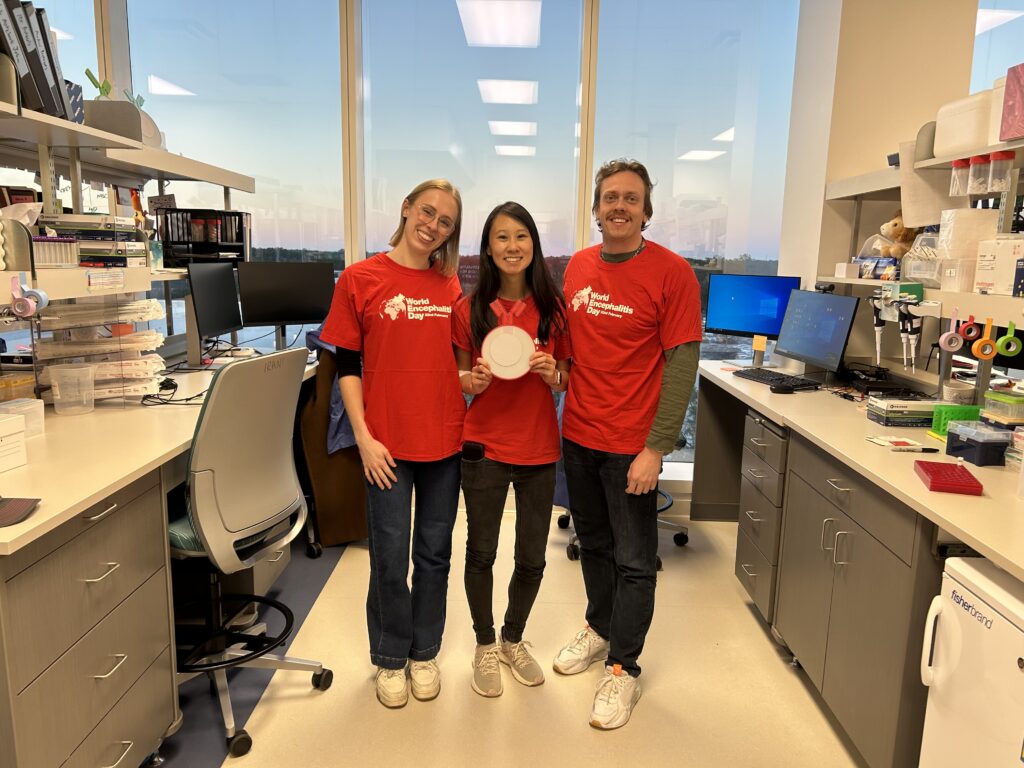
Today my advocacy sits in a more formal lane. I’ve had the privilege of contributing not as a case study, but as a partner in shaping field-level change — from convening cross-sector rare disease coalitions, to developing federally funded grant proposals, to building infrastructure that enables patient partnership to take root across research and health systems design.
Losing over 30 documented IQ points, then negotiating their return, became invaluable insight into real-world data capture. Reclaiming my brain rekindled my scientific ambitions, integrating lived experience with the career path I’d once imagined.
Somewhere along the way, my decade-long field study began seeding a research agenda for others, too.
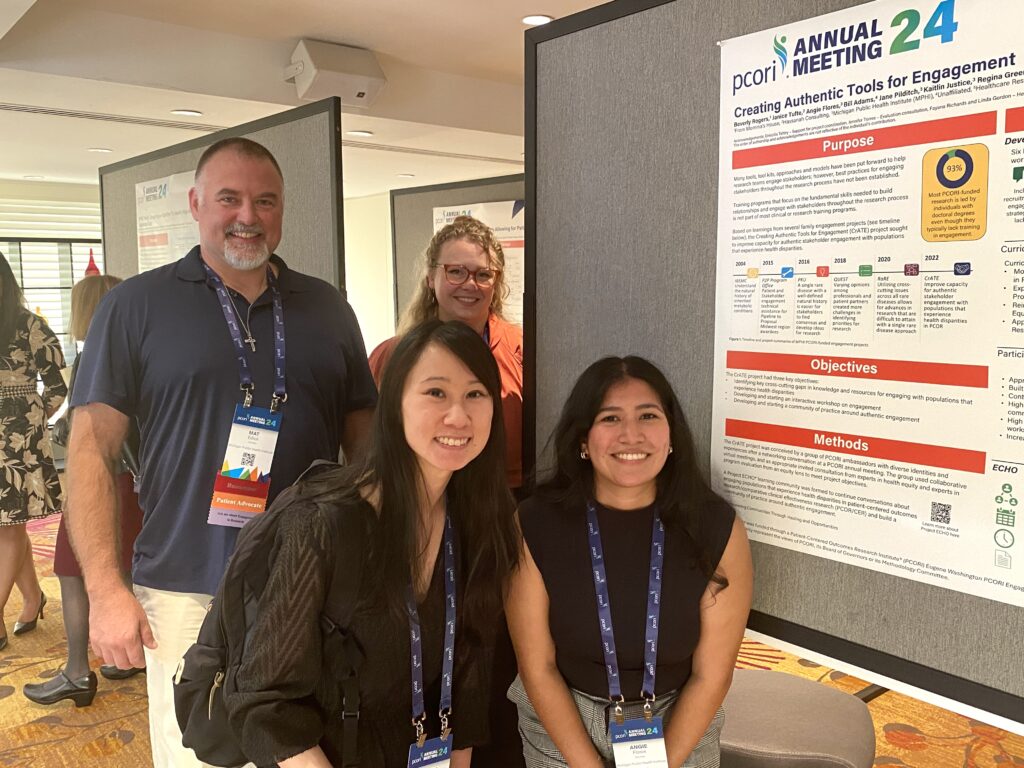
Through TSF, I secured a Patient-Centered Outcomes Research Institute (PCORI) Engagement Award that led to the formation of a multi-stakeholder research council and the creation of toolkits designed to advance patient-engaged research practices across neuroimmune diseases. This work is supporting the development of a NMOSD and MOGAD research agenda through a modified Delphi process involving hundreds of patients, caregivers, clinicians, researchers, industry partners, and other stakeholders across the global neuroimmune community. I like to think the lived realities that patients know best will increasingly shape the questions science asks next.